Many photographs on Old Photos of Japan were shot in the 1880s and 1890s, nearly a century and a half ago. It feels very long ago. But is it?
Most of the essential services and industries that we take for granted as part of our daily life — electricity, gas, clean running water, steel production, cosmetics, insurance — were developed sometime between the 1880s and 1930s. Less than a century and a half ago. If we think of a generation as spanning 25 years, that’s just six generations ago.
My maternal grandfather was born in 1899. So for me, much of the period that I research is only two generations ago — just a single person removed from me. I knew my grandfather well, so this doesn’t feel long ago at all.
In fact, it feels personal. The past is closer to me than most foreign countries are. There are countless nations from which I have never met a single person. But the past? It held my hand. Not metaphorically, but in actuality — in the person of my grandfather. When I hold my daughter’s hand, I also reach into the future.
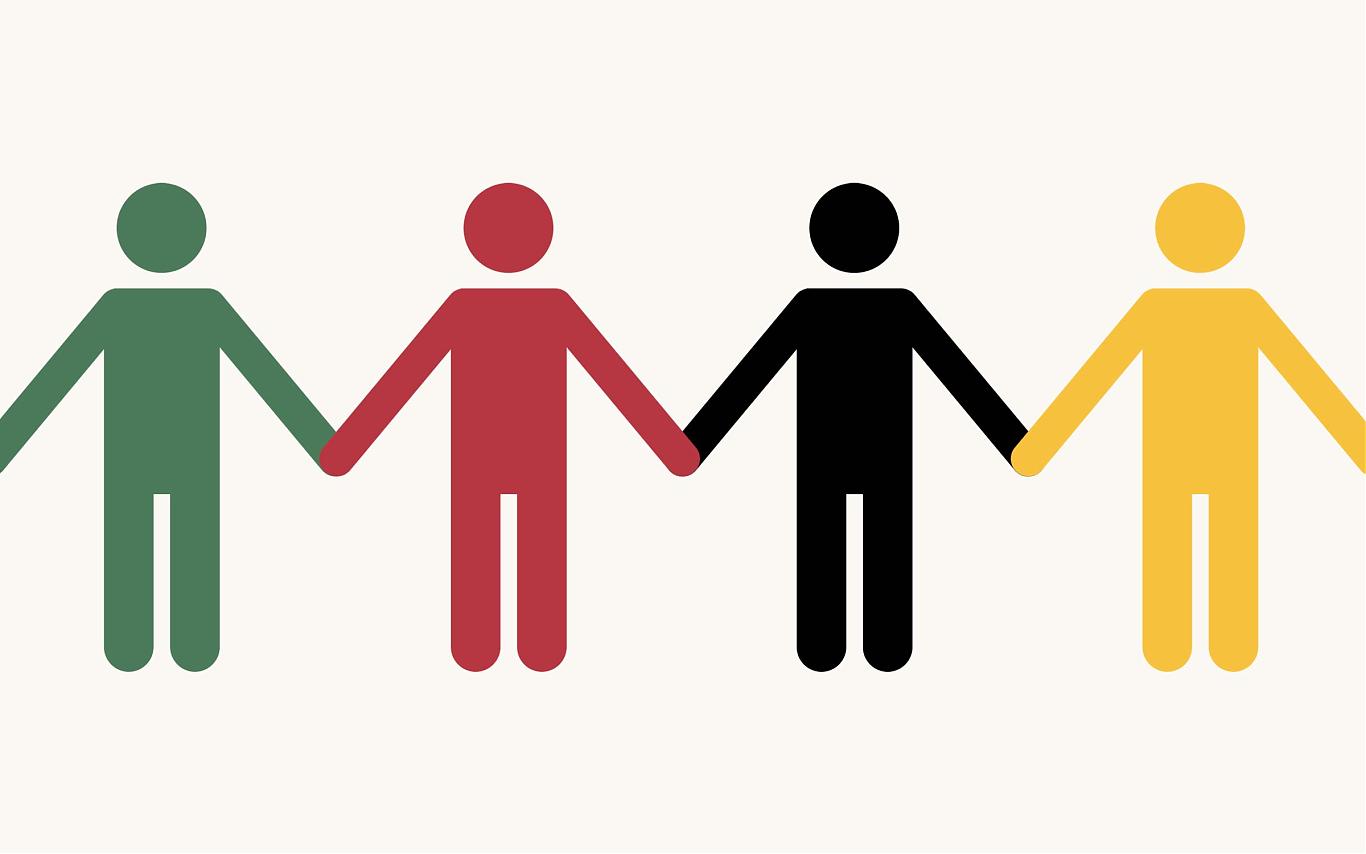
In just four generations, from my grandfather to my daughter, we will likely cover nearly two centuries. As I visualize us holding hands across time, the past and future feel decidedly less distant.
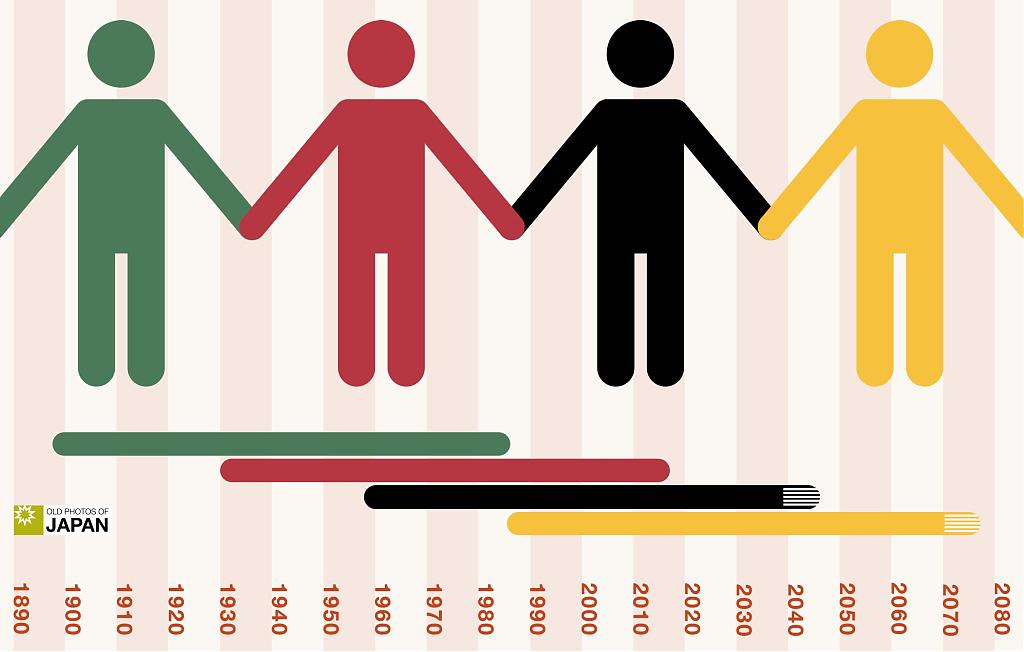
As it happens, we live in an era when we can make the past feel truly less distant. We have resources that no-one before us did. Particularly for the period and topic that Old Photos of Japan explores: daily life in Japan from the 1850s to 1960s.
To begin with, this is the first period in history documented in photos, a medium that confers a strong impression of reality.1 It is also the first in which journalists, via the new media of newspapers and magazines, started documenting daily events and social trends. As a result, we now have an abundance of images and written accounts of ordinary people and their daily activities. This has become so normal, it is easy to overlook how exceptional it really is.
Moreover, during the Meiji Period (1868–1912), many Japanese started keeping diaries. They became so popular that by the 1890s publishing house Hakubunkan (博文館新社) was selling blank diaries in large numbers.
This grew into a distinctive culture. Separate diaries were produced for men and women, alongside a wide range tailored to different life stages, occupations, and purposes, and these circulated widely.2
Furthermore, there now is an astonishing body of top-notch scholarship devoted to this period. Since the 1990s in particular, numerous outstanding studies have appeared that shed new light, often on previously overlooked aspects.
To top it all off, digitization is making such resources increasingly easier to find.3
Combining all these developments with careful, in-depth research turns photos into a powerful tool. We can bring the past back to life in ways that were simply not possible before.
Are You Listening?
Without context, vintage photos can seem meaningless, mere historical curiosities, little more than relics. Glancing at them briefly, one learns nothing.4
Yet behind each old photo lies a complex story of people and their daily struggles. Stories of wealth and ambition, of poverty and discrimination, of sweeping social change and upheaval, of war and destruction, of life and death, of exemplary endurance and resilience.
Old photos are so much more than snapshots of a seemingly completed past irrelevant to our modern lives. They capture the fundamental experience of being human. Hidden from a superficial glance are vital lessons about who we are, how we got here, where we are going, what our possibilities are. They also tell us how things have changed and how they remain the same.
Vintage photos are really sacred passage ways, with windows into our souls, aspirations, and flaws as human beings. If we really pay attention and listen carefully, they can help us understand why the world is the way it is, so we can make it more like we want it to be.
As we enter 2026, please join me in my continual quest to rescue rare vintage photos from oblivion or loss, and uncover daily life in old Japan. As we move into the future, the past is closer than you think.
I am Kjeld (kyelt) Duits, the person behind Old Photos of Japan. To bring daily life in old Japan back into public view, I began collecting, researching, and sharing old photos in 2007. Over the years, I added vintage maps, woodblock prints, and other materials. The Duits Collection now holds nearly 10,000 original items and 50,000 digital files from fellow collectors.
This rescue project is funded by readers like you
Old Photos of Japan provides thoroughly researched essays and rare images of daily life in old Japan free of charge and advertising. Most images have been acquired, scanned, and conserved to protect them for future generations.
I rely on readers like you to keep this online museum going.
Notes
1 This impression is a complex subject in art criticism and philosophy. Many theorists argue that, despite its realistic appearance, a photo is never a purely objective truth.
2 田中祐介; 土屋宗 一; 阿曽歩 (2013).『近代日本の日記帳 ―故福田秀一氏蒐集の日記資料コレクションより―』国際基督教大学・アジア文化研究 (39, 2013-03-30), 237-272.
「近代日本において日記帳文化は独特に発達し、男性用、女性用に作られた日記帳のみならず、ライフステージ別、職業別、目的別に様々な日記帳が考案され、広く流通した。」
3 However, the digitization of the resources themselves is still limited. Experts believe that less than 5% of textual knowledge can currently be searched in electronic form. Access to most historical materials still requires a visit to a library, archive, or museum, or acquiring them oneself.
4 This 1863 image of the ruins of the American legation in Edo (now Tokyo) is an example of a seemingly insignificant photo that holds great historical value and a captivating story. It depicts a desolate scene in front of a magnificent temple gate. I nearly sold this print, but fortunately discovered its fascinating story.
Noel
Thank you for all your work and effort in making antique Japanese photography more accessible. A photo will be just a random image, if it’s not backed by a context or a story and I trully appreciate your research and insight following every new article. I hope you will keep the project up for many years to come.
#000895 ·
Kjeld Duits (Author)
@Noel: Good to hear from you again, Noel! And thank you very much for your kind words. Planning to continue for many years and build this collection and research into something truly worth passing on to the next generation.
#000898 ·