Hi, I am Kjeld Duits, the person behind Old Photos of Japan.
When I moved to Japan in 1982, most of the tools and routines that once shaped daily life — and even much of the traditional architecture — had already vanished, swept away by the modernization that began in the 1850s.
To bring this cultural memory back into public view, I began collecting, researching, and sharing old photographs in 2007. Over the years, I added vintage maps, art prints, and other materials. Today, the Duits Collection holds nearly 10,000 original items and 50,000 digital files from fellow collectors.
As the project enters its 20th year, its scope has grown beyond what a single person can sustain. Preserving, researching, and sharing this history now depends on broader support. Below, I explain what makes this work important, and how your support can ensure it continues.
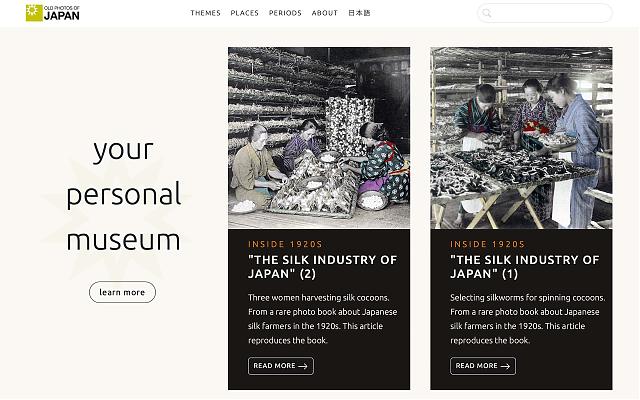
Old Photos of Japan preserves the cultural memory of daily life in old Japan and shares it freely with the public — your personal online museum of lived history.
The project rests on three pillars:
Rescuing, preserving, and studying rare visual materials that reveal daily life in Japan from the 1850s to the 1960s.
Recovering firsthand accounts from the same era to hear the voices of the people who lived or observed these lives.
Conducting in-depth research to provide accurate historical context for the stories these materials reveal.
Old Photos of Japan preserves rare historical materials of daily life and gives them meaning by adding the voices of regular people and rigorous research. This brings back to life cultural aspects that vanished as Japan modernized.
Old Photos of Japan articles are like documentaries. Rich visual materials and clear historical context serve both the general reader and the specialist.
Old Photos of Japan collects photographs, slides, negatives, postcards, art prints, books, and everyday ephemera such as maps, magazines, advertising flyers, etc.
Yes. Articles on Old Photos of Japan, and my study of Dutch diplomatic locations in Japan, have introduced previously unknown facts and photographs.
For example, my research on Jūnisō Pond in Tokyo’s Shinjuku Ward uncovered eight photos, extending its known photographic history by half a century. Three were newly identified in archives, and five were discovered and acquired for the Duits Collection.
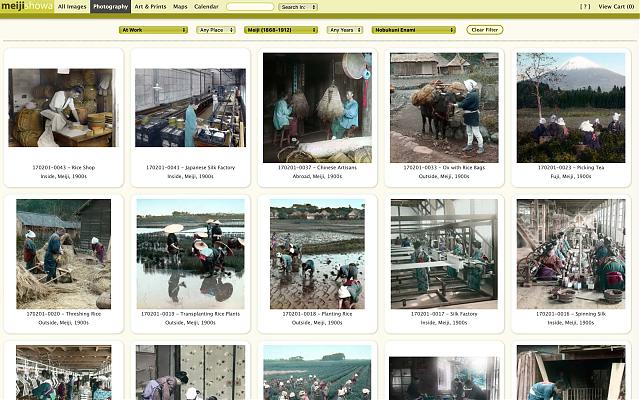
The project maintains an image archive and an article database. Your support ensures these resources remain easy to find, browse, and explore.
The image archive also includes a licensing system for publishers, documentary makers, and other creators, providing essential income for the project.
Currently, roughly 6,500 images of the Duits Collection and associated collections can be browsed and searched in the online archive MeijiShowa.
In-depth articles about daily life in Japan between the 1850s and 1960s are published on the website Old Photos of Japan and in a newsletter.
I am Kjeld (kyelt) Duits. Born in the Netherlands, I have lived in Japan since 1982.
For more than a decade, I ran a successful chain of language schools. After surviving the 1995 Kobe earthquake, I became a Japan Correspondent covering politics, culture, and current events.
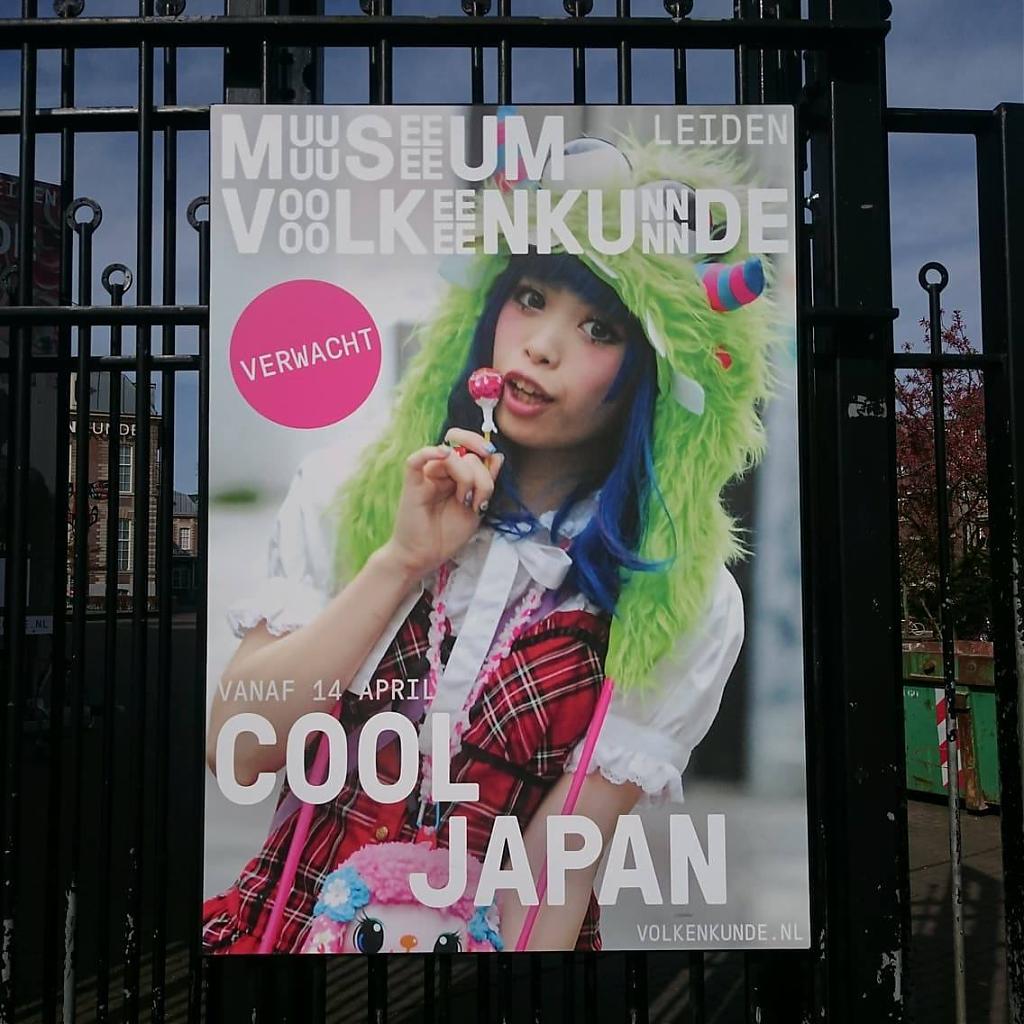
I also served as Olympic Attaché for the 1998 Nagano Winter Games for the Dutch and Belgian Olympic Committees, and founded the world’s first Japanese street fashion blog in 2002. It helped make Harajuku Style world famous and was covered by major news organizations like Newsweek and the Wall Street Journal.
I have reported on eight major earthquakes in Asia, and my photographs have been published and exhibited worldwide. I have written two books about Japan and collaborated on numerous documentaries and museum exhibitions.
Your support helps rescue originals, fund research, and keep the archive freely accessible. Every contribution directly supports hands-on work.
Old Photos of Japan is an independent, research-driven project that preserves and freely shares visual records of daily life in old Japan without advertising, paywalls, or institutional funding.
Your support helps rescue materials from obscurity and loss, fund the research that brings them to life, and keep the archive freely accessible to everyone.
If you believe that the daily life of regular people deserves to be remembered, not just great events and famous names, I warmly invite you to support this work: