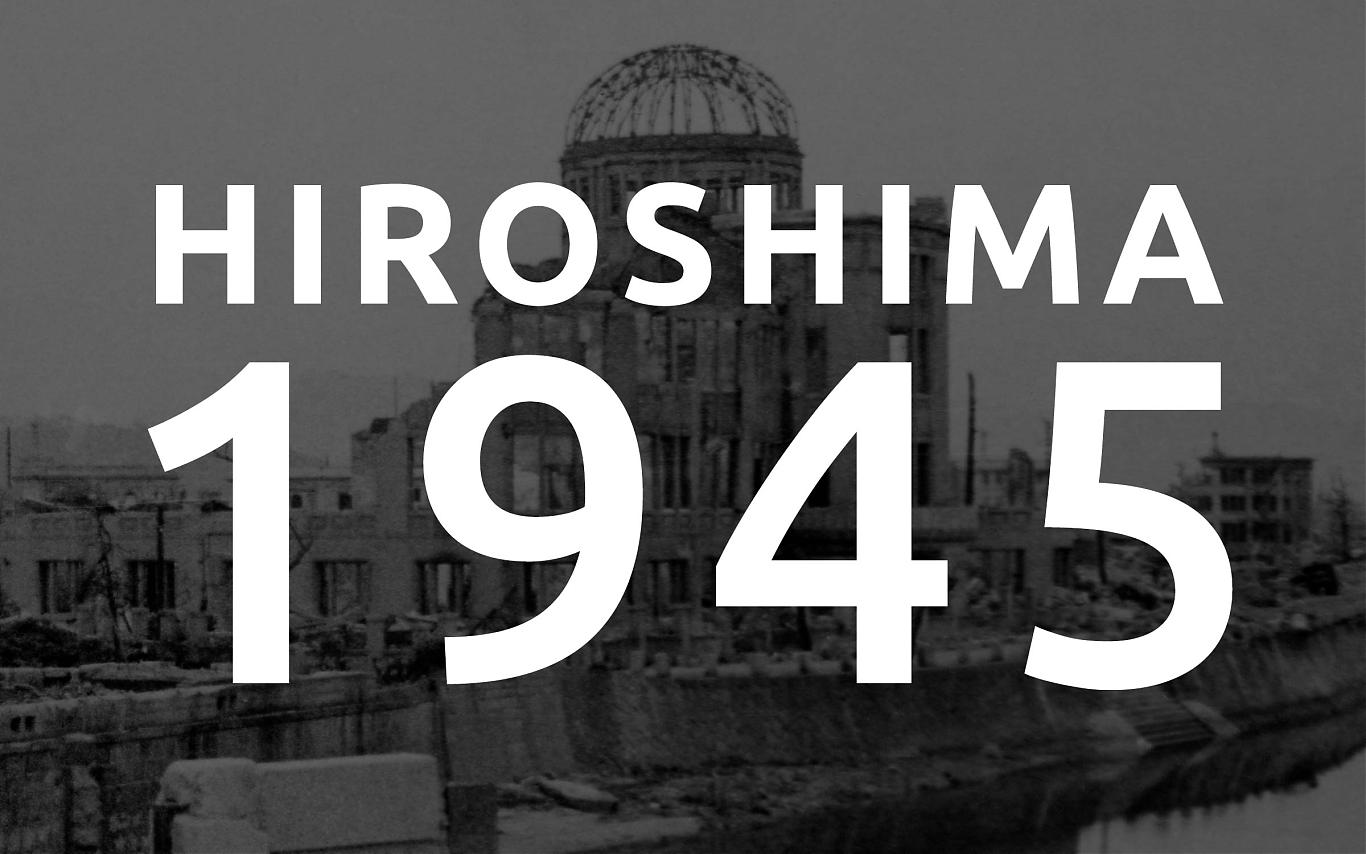
The Duits Collection holds a number of rare photos taken after the 1945 atomic bombing of Hiroshima. This article briefly explains what makes these images so special. With one exception, it is very unlikely you have seen them before.
The article Every Day I Thought I Would Die Tomorrow, about a 19-year-old nurse who miraculously survived the Hiroshima bombing, features several rare photos that deserve more attention and context.
As you may know, I am building a physical archive of original prints, slides, and negatives depicting Japan from the 1850s to the 1960s to pass on to future generations. This archive is known as the Duits Collection. The research published on Old Photos of Japan is based on the materials in this one-of-a-kind collection.
Some of these images are so rare that it is extremely unlikely they exist in any other archive, not even in the holdings of major museums or universities. Many of the Hiroshima photographs fall into this category.
Miyuki Bridge
The most important Hiroshima photograph in my collection is well-known. It was taken at Miyuki Bridge by Japanese photojournalist Yoshito Matsushige (1913–2005) three hours after the explosion. The original negative is held by the Hiroshima-based daily Chugoku Shimbun. You have likely seen this photo before.
It is displayed at the bridge in large format, and is arguably the most important photo of the atomic bombing of Hiroshima, only one of five existing images showing the fate of the victims that day.
The item in my collection is a glass slide, which suggests that it is a very early duplicate, perhaps even from the original negative as the quality is quite high.

One of the people in this photo is Sunao Tsuboi (1925–2021). He is the young man who is partly visible near the watermark. He is sitting and looking at the wall. We see only the back of his head. Next to him sits a young girl with a black face.
In preparation of President Obama’s visit to Hiroshima, I met and interviewed him in May 2016. This is what I wrote about his memories of his time at the bridge:
The vast majority feel inspired by Obama’s message of disarmament. “Nuclear weapons must never be used again,” says 91-year-old Sunao Tsuboi, one of the four hibakusha, as atomic bomb survivors are called in Japan, with whom Obama briefly spoke today. He was 20 when the bomb terribly burned and permanently disfigured him. One of the few photos that exist from the first hours after the explosion has immortalized his suffering. He stares ahead in a daze on a bridge. “I hoped to find water there, or medical help.” All he found were a few police officers who gave children some cooking oil to ease the unbearable pain of their burns. He saw a young girl with an eye hanging out of her face, people missing limbs. More ghostly apparition than human. Eventually, he found a truck from the Japanese army that was evacuating the wounded from the city. “They only took young men,” says Tsuboi, “because they could later be used in the military. They didn’t take injured women or children.” Seventy-one years later, he is still indignant. Tsuboi spent a large part of his life in hospitals. Three times, doctors told him his time had come. Yet he always pulled through. He very much wanted Obama to hear his story, and those of other hibakusha, to understand the inhumanity of atomic bombs. The schedule only allowed time for a greeting, but Tsuboi managed to stretch it and still convey some of his thoughts. This past Wednesday, Tsuboi said he was already pleased that an American president was finally coming to Hiroshima. For years, this had been a major taboo. Many Americans still believe that the atomic bombs helped end the war sooner. Especially veterans struggled with the idea that the Japanese, in addition to being perpetrators, were also victims of World War II.
I purchased the glass slide of the Miyuki Bridge scene one year after this interview.
In 2015, Nilaya Productions brought out a magnificent documentary about this photograph, identifying several of the people on the bridge, including Tsuboi.
The documentary explains what is happening in the photo with the use of masterful storytelling and graphics. It includes interviews with the photographer and several of the people in the photo, Tsuboi among them. At 52 minutes, it is a long watch, but worth every single minute.
The documentary covers the photo so well that there is no need for me to give further details here.
Station & City Center
Another photograph used in Every Day I Thought I Would Die Tomorrow is the next one of Hiroshima Station some time after the bombing. I have not done any in-depth research yet so I do not know exactly when it was shot. But based on the clothes it could be late August or September.
There are lots of photographs of Hiroshima Station after the bombing, so this one is not exceptional. But I haven’t yet seen the exact same shot.

I purchased the photo of Hiroshima Station together with three other images, two of Osaka shortly after the end of the war, and one more of Hiroshima. The second Hiroshima shot is a bit of a rare shot of Hiroshima’s city center.
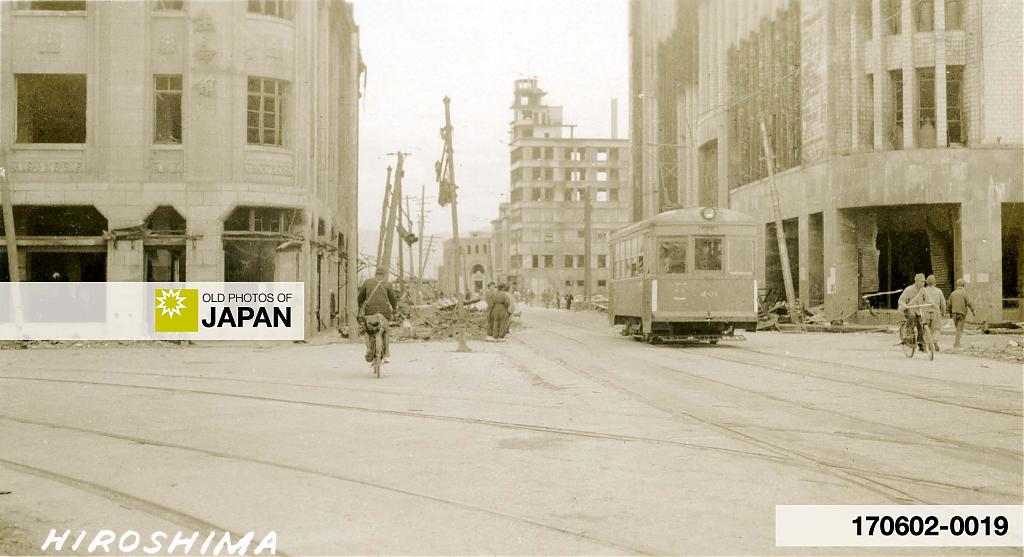
The photographer stood in front of Fukuya Department Store (福屋百貨店), 740 meters from the hypocenter. He pointed his camera east.
On the left is the old Fukuya building (福屋旧館). From the right are the new Fukuya building, the Chugoku Shimbun newspaper (the building with the tower), and the Hiroshima branch of the Industrial Bank of Japan. Their interiors were destroyed by fire.
A few days after the bombing, victims with bloody stools were admitted at the new Fukuya building as dysentery patients. It was used as a temporary infectious disease hospital for about a month until it became clear that the symptoms represented radiation poisoning.
This photo was likely shot soon after the U.S. military arrived in Hiroshima. The writing suggests that this was an image sold to military personnel as a souvenir. This image also requires more research.
U.S. Military Visit
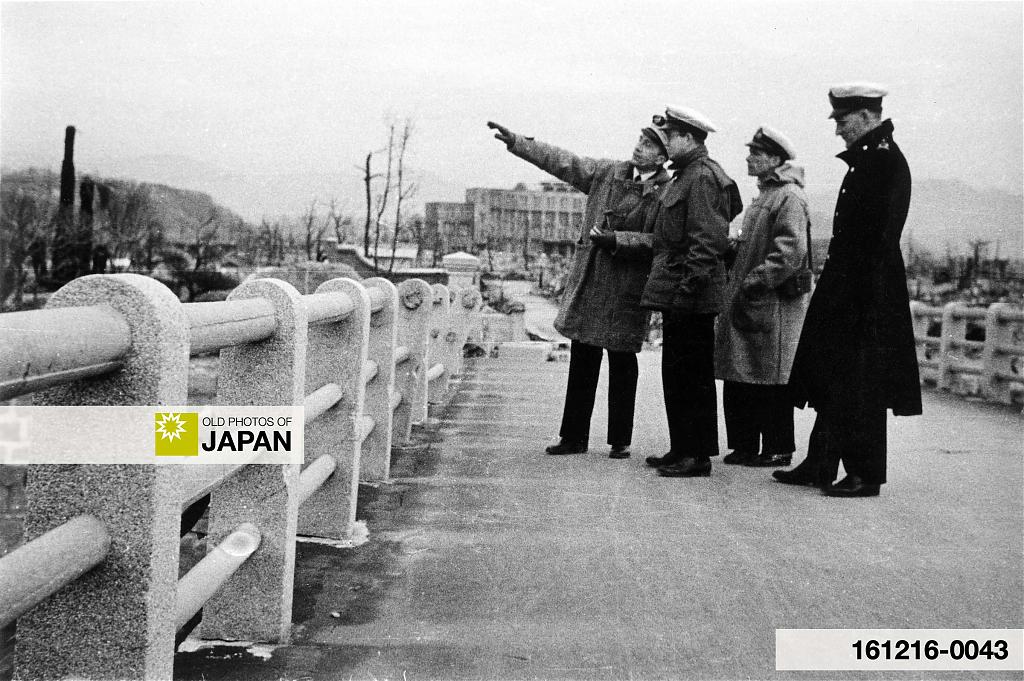
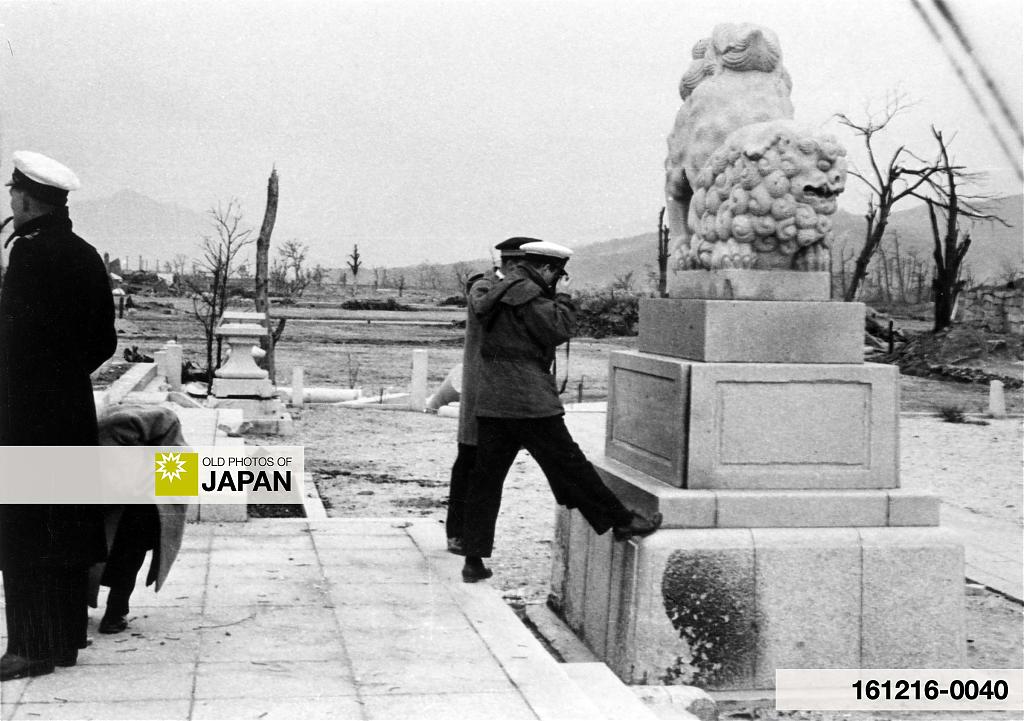
This next set contains over 35 photographs, which together give a powerful impression of Hiroshima’s utter devastation. Due to numerous duplicates, the full set contains over 100 images.
The photos appear to be non-professional shots as many are out of focus. They seem to document a visit by U.S. military personnel for scientific observation. There are at least seven individuals in American military uniforms. In one image four of them are digging in the rubble.
I have not yet researched this set in depth either, but based on the situation on the ground, the winter clothing, and notes on the back, these photos seem to have been taken between December 1945 and February 1946. One photo, dated February 1946, shows houses at an early stage of construction.
I have not yet seen the exact same images in any other collection, which suggests that they are exceptionally rare. Detailed research could yield surprises.
The image below was used in the article about nurse Kaneto.

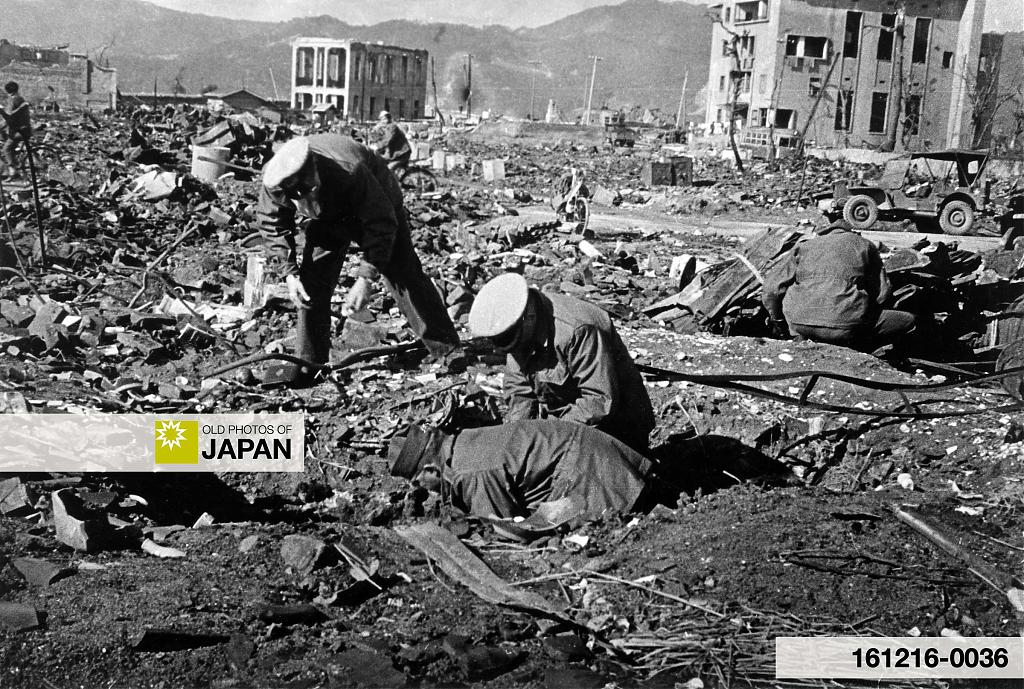
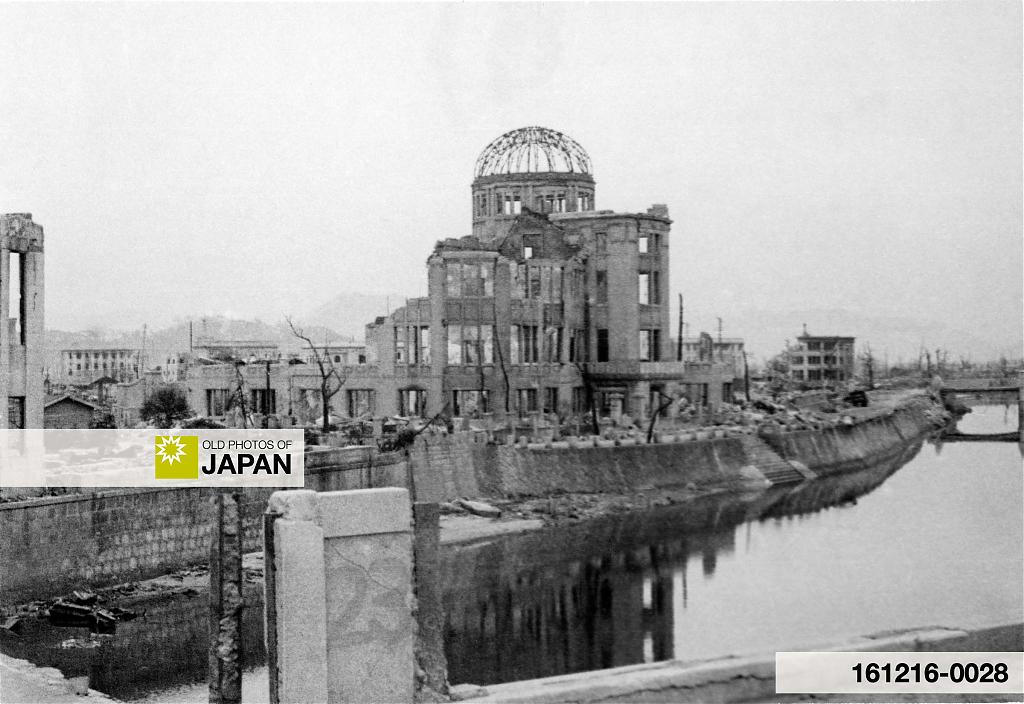
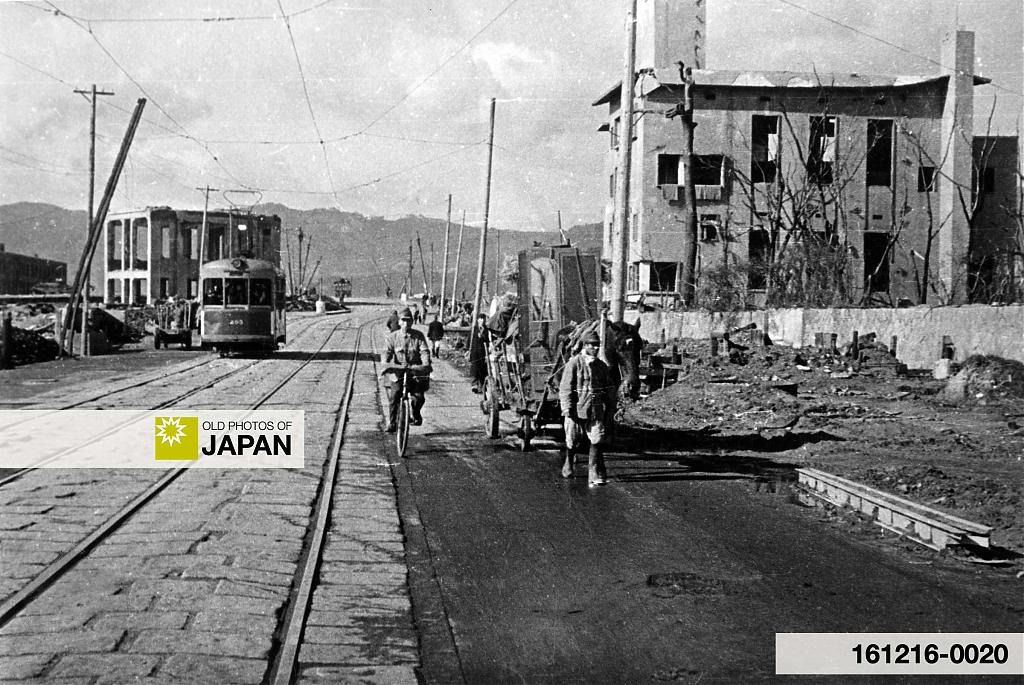
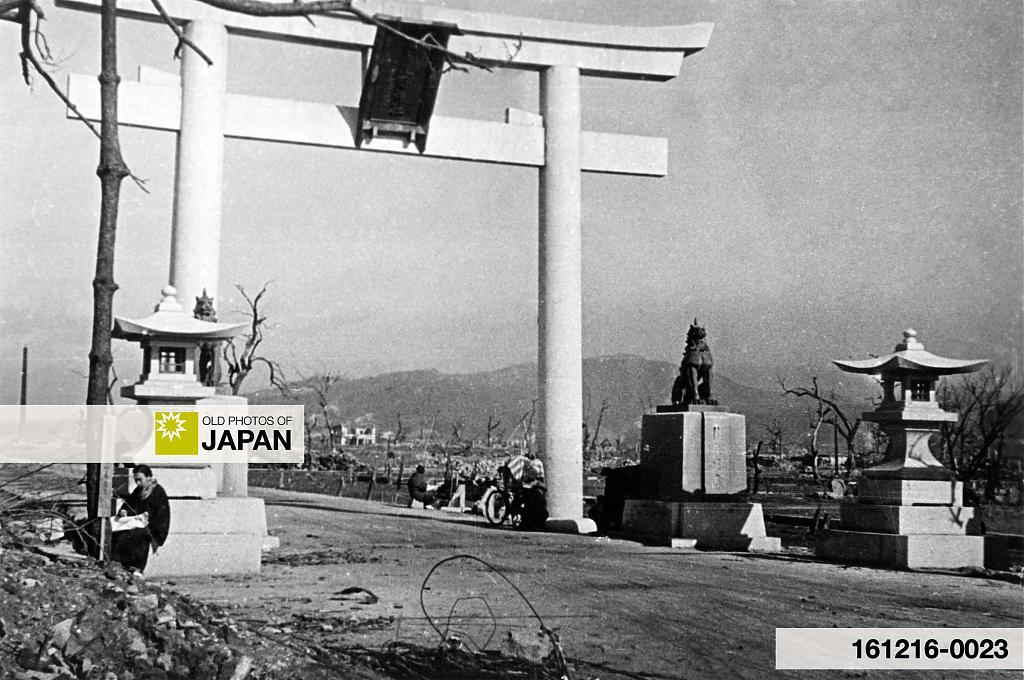
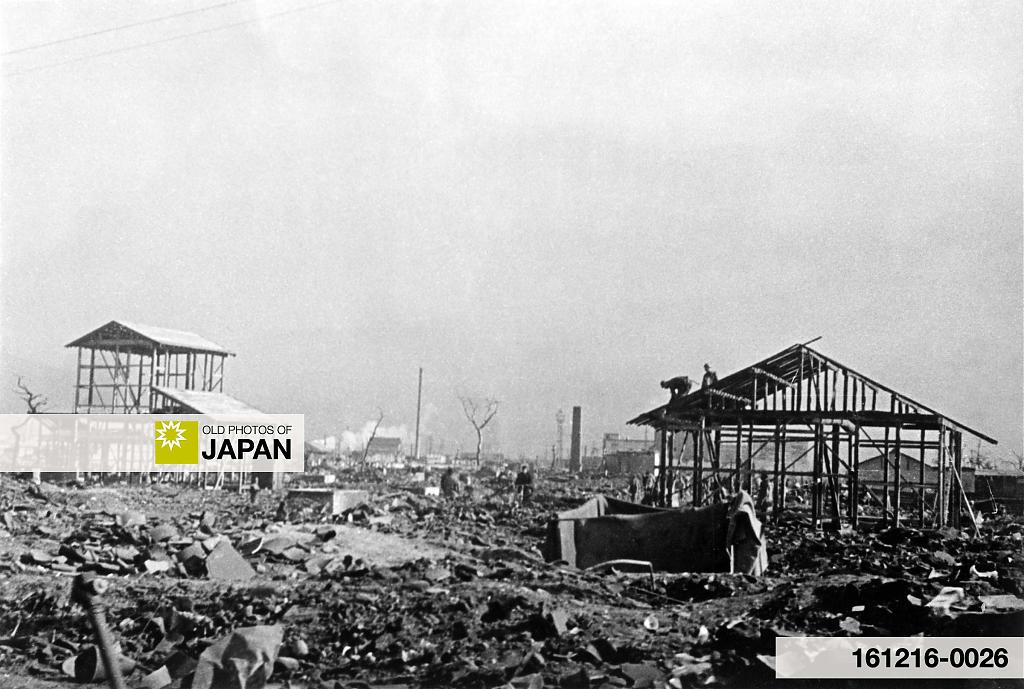
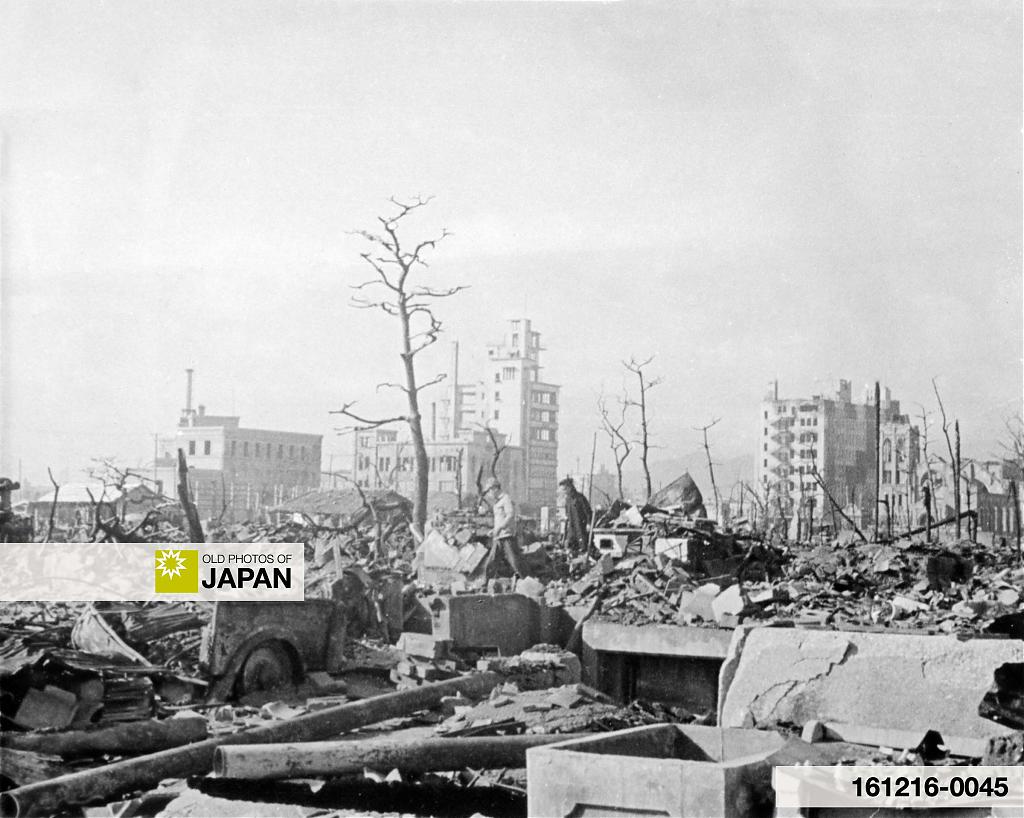
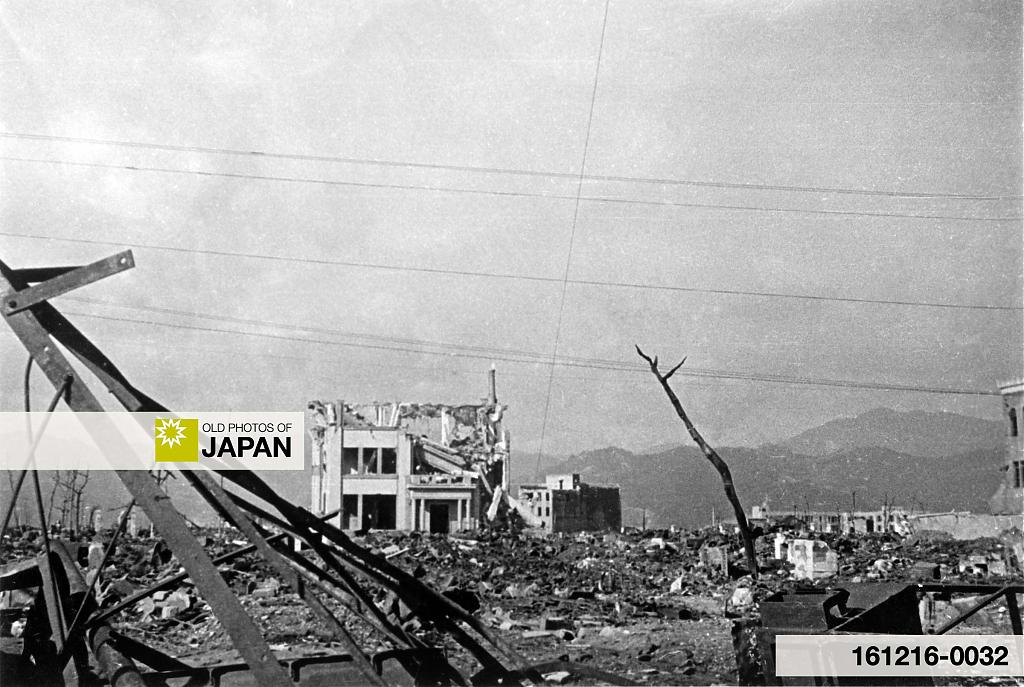
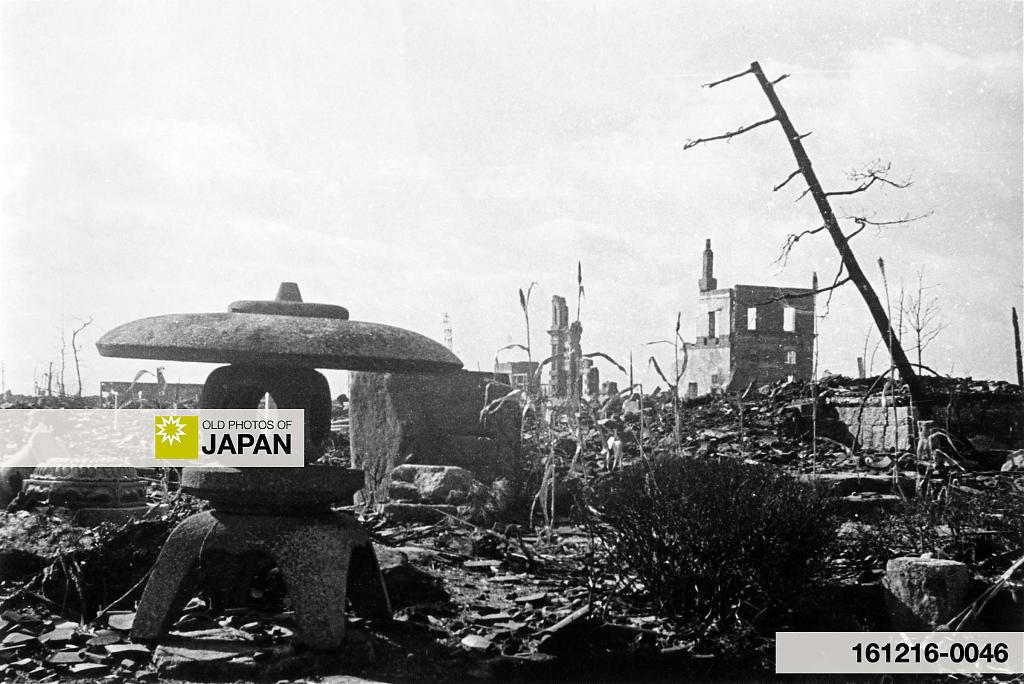
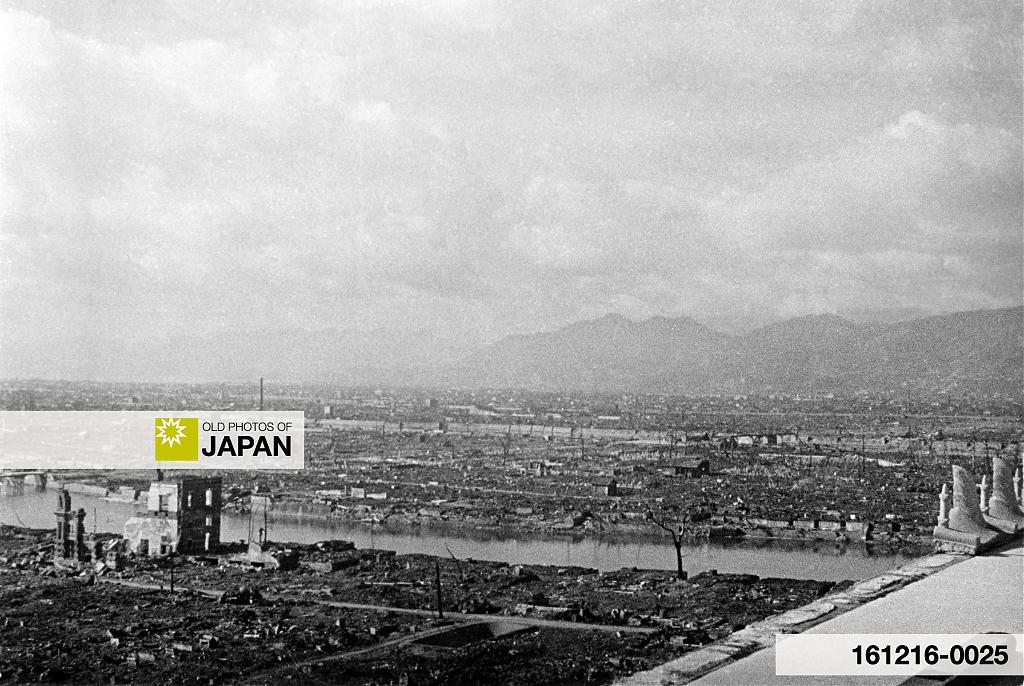
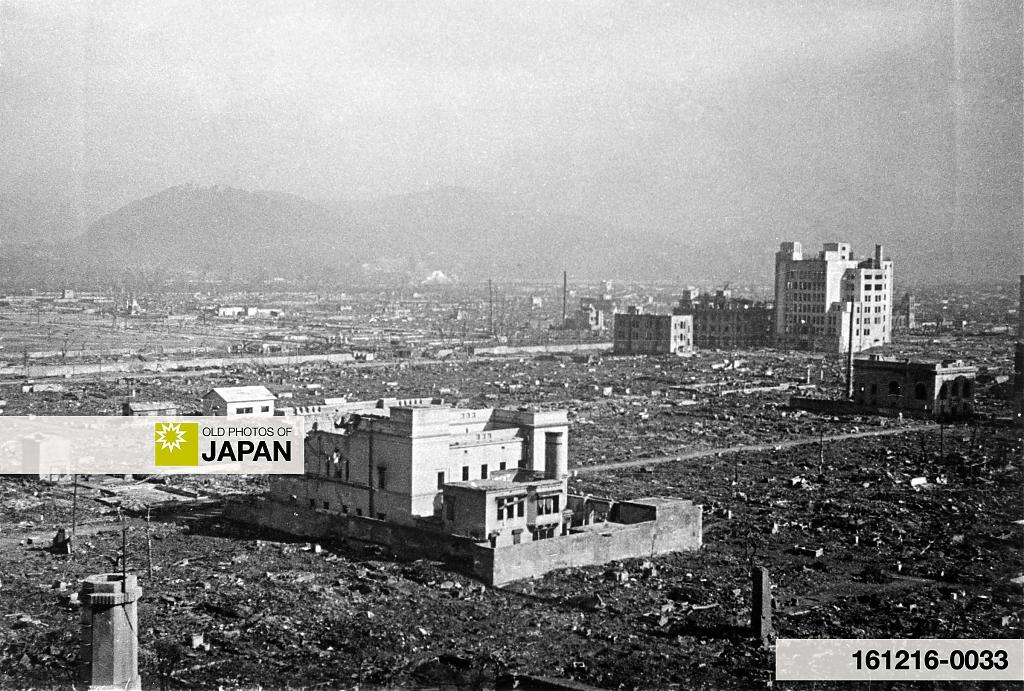
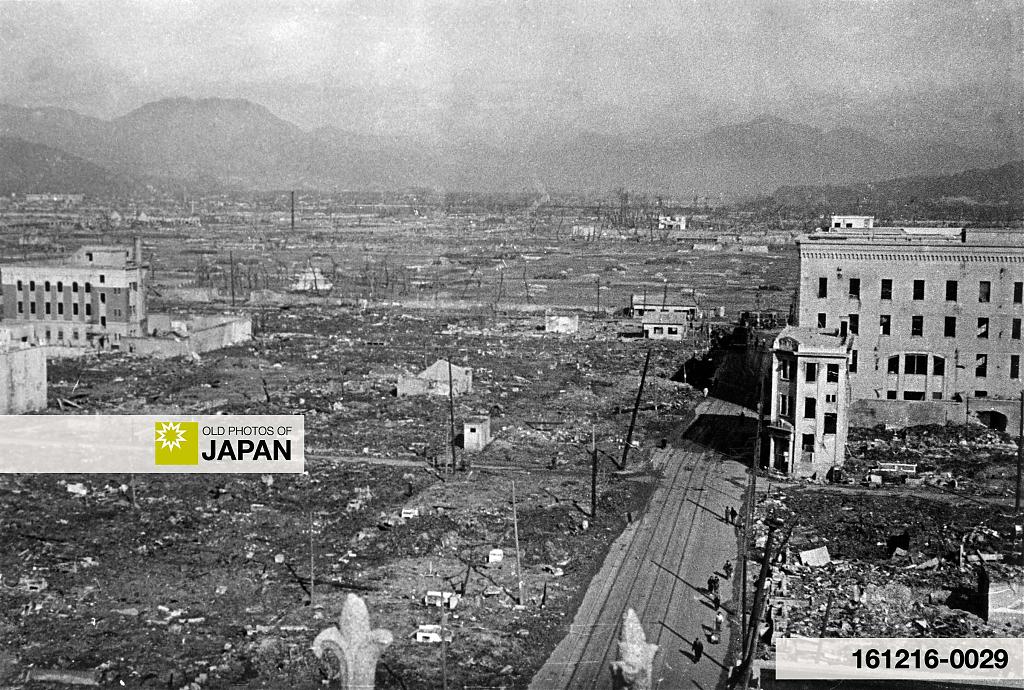
You can see the full set on my archive site MeijiShowa. Note that the last image (120821-0050) is not part of this set.
This rescue project is funded by readers like you
Old Photos of Japan provides thoroughly researched essays and rare images of daily life in old Japan free of charge and advertising. Most images have been acquired, scanned, and conserved to protect them for future generations.
I rely on readers like you to keep this online museum going.
Anthony Mazzanti
While in the Marines I had the opportunity to visit Peace Park. It was a heartbreaking place to see and witness what war does ! What humans are capable of doing to each other!
#000929 ·
Kjeld Duits (Author)
Thankfully, humans are also capable of doing amazing things to help each other, even total strangers. I was a Japan Correspondent for three decades and covered most of the largest earthquakes in Asia since 1995. Each time I was deeply impressed by all the people who ignored danger and rushed in to offer assistance.
#000930 ·